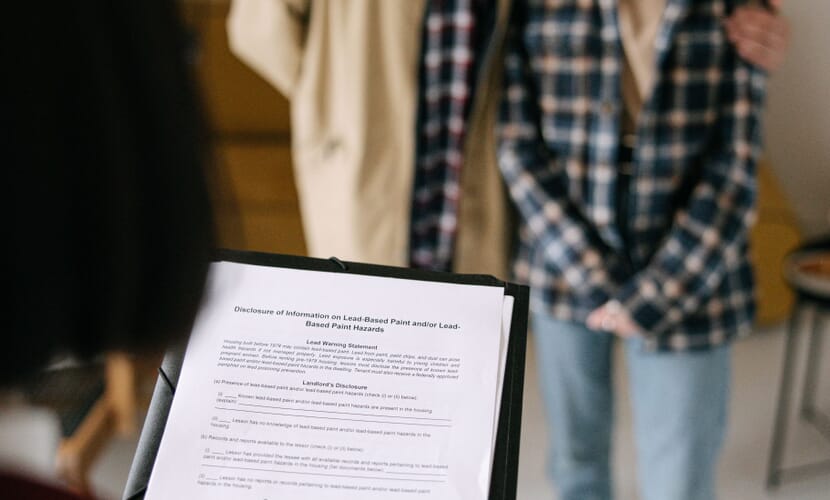
Last time I moved, I spent far more than I'd planned. That's how it goes, isn't it? You think you've budgeted properly, worked it all out on the back of an envelope, then reality kicks in and suddenly you're £200 over what you reckoned this would cost.
But here's what I've learned from hundreds of people who've moved through our platform, plus a few painful lessons of my own: there are ways to keep costs down without ending up absolutely knackered or having a breakdown in the process.
Some of these tips are obvious. Others less so. And a few might seem counterintuitive. But they work.
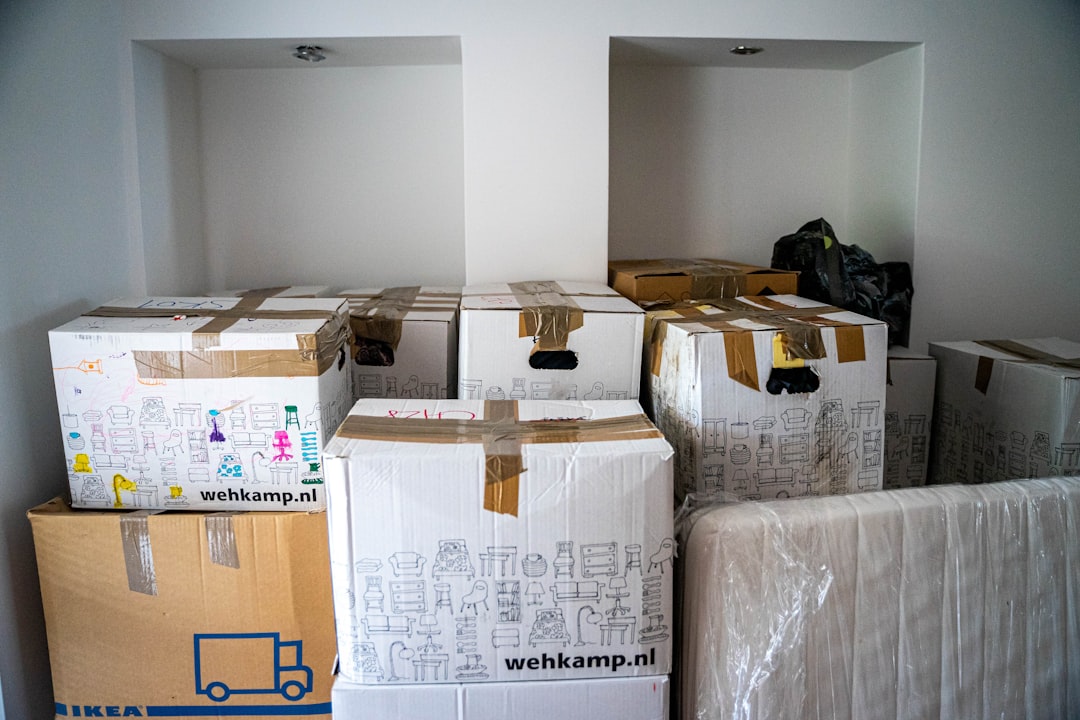
How to save money when moving to a new house
Compare quotes properly (you'd be surprised how many people don't)
Price differences between removal companies can be absolutely massive. I've seen identical moves - same two-bed flat, same distance, same amount of stuff - quoted at £300 by one company and £550 by another.
Makes you wonder what the expensive one's including that the cheap one isn't. Or whether the cheap one's leaving something out.
The thing is, ringing around takes ages. You explain your situation, they promise to call back, half of them never do. Or they ask you the same questions you've already answered. That's partly why we built URemovals in the first place - you put your details in once and get quotes back from multiple companies without having to repeat yourself like a broken record.
When you're comparing quotes though, don't just look at the bottom line. Check reviews from actual customers who've used them. Make sure they're properly insured - and I mean actually check, don't just take their word for it. Read what's included and what costs extra, because some companies will absolutely sting you for stairs, weekend moves, or packing materials that you assumed were part of the deal.
I learned this the hard way. Booked what seemed like a great deal, then got hit with an extra £80 for "access difficulties" because there were three steps up to my front door. Three steps. Should've read the small print.
Pack early (I know, I know)
Everyone says this. Nobody actually does it. I certainly didn't.
But seriously - if you can manage it, start at least three or four weeks out. Begin with the stuff you never use anyway: winter coats in July, books you've already read, that bread maker you swore you'd use more, the fondue set from 2019. Box up the guest room first if you've got one, because nobody's staying over a month before you move.
Actually, thinking about it, you probably don't even need to pack the guest room properly. Just chuck everything in bin bags and deal with it at the other end. That's what I did. Worked fine.
The reason this matters isn't just organisation (though that helps). It's that when you pack early, you avoid panic-buying supplies at the last minute when you'll pay whatever they're asking. You can collect free boxes from supermarkets, use newspapers instead of bubble wrap, and actually label things properly so you're not rummaging through 15 identical boxes looking for the kettle at midnight when you arrive.

Photo by Roman Kraft on Unsplash
Plus, the more organised your stuff is, the faster the loading goes. And if you're paying by the hour, that directly affects what you'll spend. I know someone who saved £150 just by having everything packed and ready when the van turned up, rather than the driver standing around watching them chuck things in boxes.

Photo by Paul Esch-Laurent on Unsplash
Actually use up what you've got
This sounds obvious but barely anyone does it.
Take a proper look at your kitchen cupboards. How much of that are you really going to use before you move? Half a bottle of olive oil, three tins of chopped tomatoes, that jar of something you bought for one recipe six months ago and never touched again.
In the weeks before moving, try to cook down what you've already got instead of doing big shops. Same with toiletries, cleaning products, all of it. You're paying to move weight, and there's no point lugging half-used bottles of shower gel across town when you could just finish them off.
My friend Sarah moved with about 20 different spices and condiments. Lovely gesture to bring them all, but she could've easily used them up or just bought new ones for a fiver at the other end. Instead she paid to move them 40 miles.
Starting fresh in a new place is satisfying anyway. Empty cupboards feel like a clean slate.
Side note: why does everyone own so many cables they can't identify? I found seven phone chargers for phones I haven't owned in years. Just chuck them.
Use your car for the smaller bits
If you've got a car - or can borrow one - use it before moving day. Every time you pop round to the new place, throw a few boxes in the boot. Clothes, shoes, kitchen bits, cleaning supplies. Things that are awkward to pack but easy to transport yourself.
This genuinely makes a difference to the final bill. Fewer boxes for the removal company means less time, less space in the van, and often a better rate. I know someone who moved half their flat this way over two weeks. Just kept ferrying boxes back and forth. Saved them about £150, though I reckon the petrol costs ate into that a bit.
Don't do what my mate Dave did though. He tried to move his entire flat in a Fiesta. Three trips later, absolutely exhausted, he admitted defeat and booked a proper van. Sometimes trying to save money costs you more in time and sanity.

Photo by mohit suthar on Unsplash
Try to move mid-week, mid-month
Here's something most people don't think about: when you move affects what you pay. Quite significantly, actually.
Everyone wants to move at the weekend. Easier with work, more people free to help, all that. Which means weekends cost more. End of month is busy too because that's when most tenancies turn over. And summer's peak season because families move between school terms and nobody wants to shift house in February rain.
If you can be flexible with dates, you'll usually get a better deal moving on a Tuesday or Wednesday. Mid-month is even better. Autumn and winter are quieter overall - I've seen people save 30% just by shifting their move date by a week or choosing a Tuesday in October instead of a Saturday in July.
Worth asking about if your schedule allows it. Though I appreciate not everyone can just take a random Tuesday off work.
Be ruthless with what you're actually taking
Moving is the perfect excuse to get rid of things. And I mean actually ruthless, not "I might need this someday" ruthless.
That exercise bike gathering dust? Sell it. You're not going to use it at the new place either. Clothes that don't fit? Donate them. You're not losing that weight before the move. Books you'll never read again? Someone else will appreciate them more than you will.
I said be ruthless, but don't chuck out things you'll regret. I threw away a perfectly good set of screwdrivers once because I couldn't be bothered to pack them. Spent £30 replacing them a week later. That was daft.
Facebook Marketplace works brilliantly for bigger items - I've sold sofas, tables, bikes, all sorts. Gumtree too, though you get more time-wasters on there in my experience. For clothes and smaller stuff, charity shops will take most things. You'd be shocked how much lighter your move becomes when you actually think about what you need versus what you're just used to having around.
Plus you might make a bit of money. Even £50 or £100 helps offset costs.
Don't buy packing materials if you don't have to
Boxes cost money. If you need 30 of them at £3 each, that's £90 before you've even moved anything.
Instead, ask at your local supermarket - especially in the morning when they're unpacking deliveries. They're usually happy to give you boxes they'd be chucking anyway. Check Facebook Marketplace for people giving boxes away after their own moves. There's always someone. Use suitcases and laundry baskets you already own. Wrap fragile stuff in towels and clothes rather than buying bubble wrap.
We did this last time and saved about £60 on packing materials. Not life-changing money, but it's £60 I'd rather spend on pizza in the new place than on boxes I'm going to throw away.
Am I the only one who hoards boxes "just in case"? My shed's full of them. I've moved twice since then. Haven't used a single one.
You don't have to go all-in with a removal company
This depends on what you're comfortable with and what your situation is, but you don't necessarily need to pay for a full-service move where they do everything.
Some people pack everything themselves but hire professionals for the heavy lifting and transport. Others move most things themselves over a few trips and just get help with furniture and appliances. Some do a hybrid where they move the easy stuff and pay for help with the complicated bits.
Think about what makes sense for you. If you've got a bad back, don't try moving a sofa yourself just to save £50. That's how you end up in A&E. But if it's mainly boxes and you're reasonably capable, doing some of it yourself can cut costs significantly.
There's a middle ground that works for most people. Work out what that is for you.
Ask about discounts (seriously, just ask)
Sounds obvious, but people forget. Or they're embarrassed to ask. Don't be.
If you're a student, NHS worker, teacher, or in any key worker profession, it's worth mentioning. Lots of companies offer 10-15% off, but only if you ask. They're not going to volunteer it.
The worst they can say is no. Best case, you save yourself a decent chunk of money for literally just asking the question. I've seen people save £80 just by mentioning they work for the NHS.

Photo by Fabian Blank on Unsplash
Do your own furniture disassembly if you can
If you're reasonably handy - and by that I mean you can use an Allen key without hurting yourself - take apart beds, wardrobes, tables before the movers arrive. Everything's easier to transport when it's in pieces, which can save time and therefore money.
Just bag up all the screws and bits, label them clearly, and take photos before you start so you remember how it goes back together. Otherwise you'll be staring at an IKEA wardrobe at 9pm with 47 mystery screws and no idea what you've done wrong.
Done this twice. First time I didn't take photos. Absolute nightmare. Second time I took photos of everything. Still took ages to rebuild, but at least I knew what I was aiming for.
Don't just go for the cheapest quote
I know this seems to contradict the whole point of the article, but hear me out.
The absolute cheapest quote isn't always the best value. Sometimes it is. Often it's not. If a company seems suspiciously cheap compared to everyone else, there's usually a reason. They might turn up late, add surprise charges halfway through, or - worst case - damage your stuff and not be properly insured to cover it.
On URemovals you can read reviews from people who've actually used these companies. Real reviews, not the fake ones you see often. A slightly higher quote from a company with excellent reviews is often better value than a rock-bottom price from someone you can't verify.
You want reliable, not just cheap. Cheap and unreliable ends up costing you more.
Some moves are harder than others
This might sound daft, but not all moves are equal. Moving in London is completely different to moving in Leeds because parking's an absolute nightmare and everything costs more. Moving into a third-floor flat with no lift is harder than moving into a bungalow. Moving in January when it's dark at 4pm and possibly icy is different to moving in June.
Think about the specifics of your situation. If your move involves any complications - narrow streets, no parking, lots of stairs, awkward access - be upfront about it when you're getting quotes. You don't want surprises on the day when the driver takes one look and says they need to charge extra.
I helped someone move once who hadn't mentioned their new flat was up three flights of narrow stairs. The movers weren't happy. Neither was my back.
The things nobody tells you about moving day
Everyone focuses on the planning. But moving day itself is chaos regardless of how organised you are.
Have a bag packed with essentials - kettle, teabags, mugs, toilet roll, phone charger, change of clothes. You'll need these immediately and they'll be the first things you can't find. Keep it in your car or somewhere you can grab it easily.
Make sure you've got cash on you for tips if the movers do a good job. £20-£30 split between them is about right, depending on how long they've worked and how helpful they've been.
And for the love of god, eat breakfast before everyone arrives. You won't have time later and you'll be running on adrenaline for hours. I once moved house on an empty stomach. By 2pm I was ready to collapse.
What about storage?
This is something people often forget to factor in. If there's a gap between moving out of one place and into another, you might need storage for a few days or weeks.
Storage costs vary wildly. A small unit might be £50-£100 a week, bigger ones obviously more. If you can avoid needing storage by timing your move better, that's ideal. But if you can't, factor it into your budget early rather than panicking about it last minute.
Some removal companies offer short-term storage as part of their service. Worth asking about.

Photo by Aga Adamek on Unsplash
Final thoughts
Look, moving's expensive whatever you do. There's no getting around that. Even with all these tips, you're still going to spend money. That's just how it is.
But with a bit of planning, some smart decisions about timing and what you actually need to take, and a willingness to do some of the work yourself, you can avoid paying more than necessary. And that makes a difference.
We work with many man and van services all over the UK. Whether you're moving a studio flat in central London or a four-bed house in Manchester, we can get you quotes from people who know what they're doing and have reviews to prove it.
Put your details in, see what comes back. Takes about a minute and you'll have prices within a few hours. No obligation, no hassle, no sales calls.
And if you need more help sorting out your move, we've got a moving checklist, van size guide, and price guide that might come in useful. Actually useful, not the generic rubbish you find everywhere else.
We cover pretty much everywhere: London, Manchester, Birmingham, Liverpool, Leeds, Sheffield, Bristol, Glasgow, Edinburgh, Cardiff, Nottingham, and hundreds more places across the UK. If you're moving, we can probably help.